Economic Impact
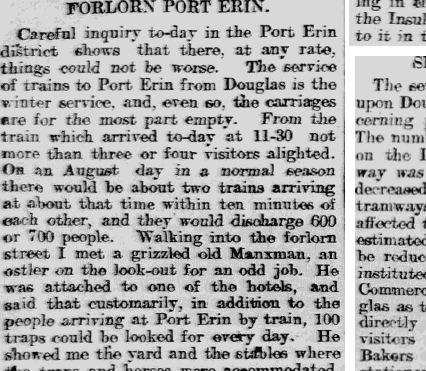
One of the most immediate and serious effects of the outbreak of war on the Isle of Man was the drastic fall in the number of tourists. 1913 had seen the peak of tourism, with over 650,000 visitors to the island and approximately 4,000 arrivals every day.
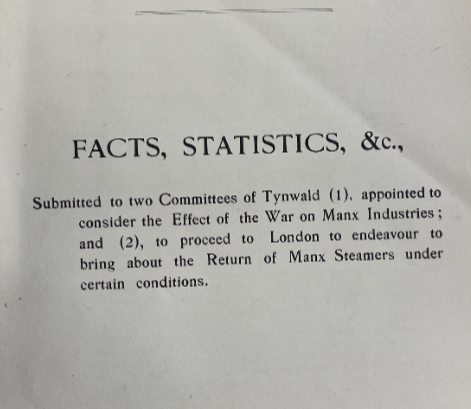
By the summer of 1915 however, there were only 400 visitors a day. The combined effect of the U-boat threat, the requisition of Steam Packet ferries for use in the war and less available railway travel in the UK meant that the industry that supported a huge section of the Manx population suddenly collapsed.
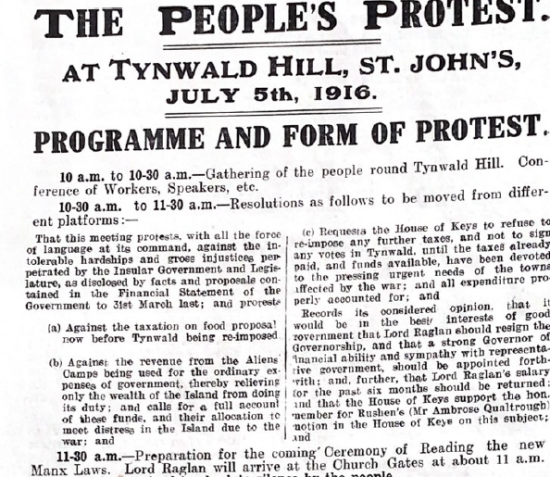
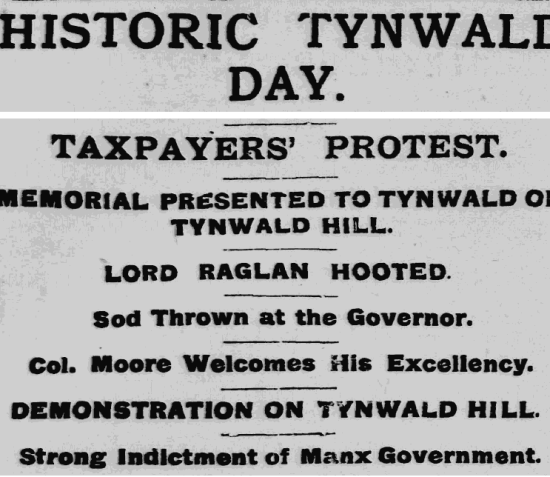
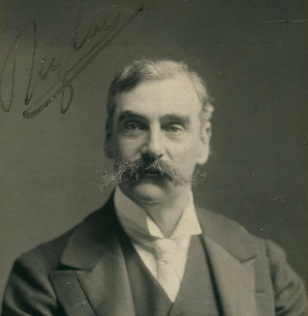
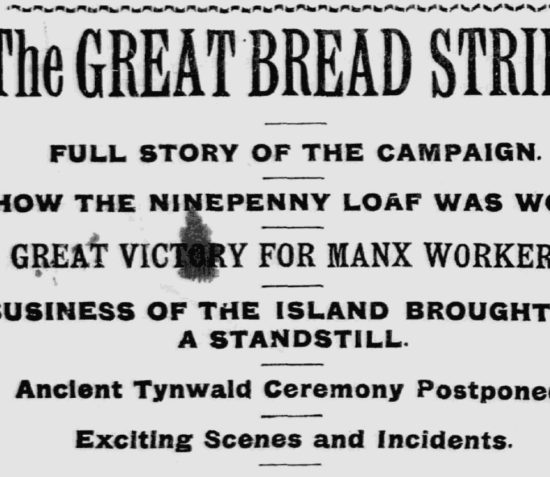
Unlike the English, Manx people did not receive National Insurance, old age pensions or any other benefits to help them through hard times. Sales of food and tobacco were taxed but income was not, which meant that poor people paid more of their money in tax than rich people. And Tynwald, led by Lord Raglan, refused to provide money to local boards who were trying their best to support the struggling population.
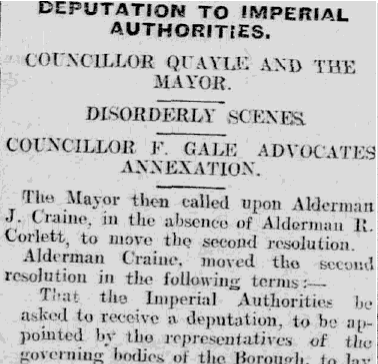
Some people suggested that the Isle of Man should consider annexation, and become part of Lancashire. Others wanted total independence. Lord Raglan’s unpopularity grew, leading to rows in the House of Keys and protests by the people. And Manx workers started to look for new ways to improve their standard of living and increase their power.