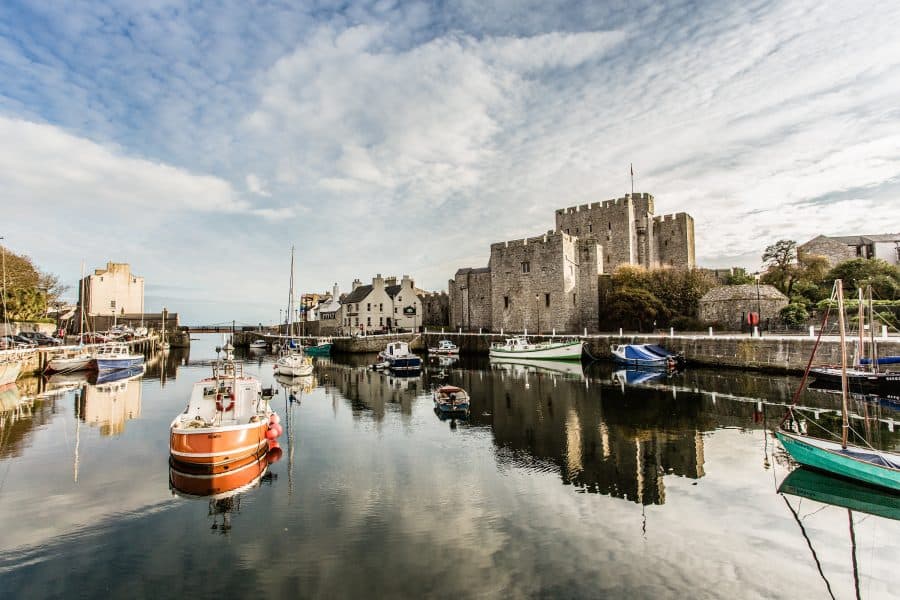
One of the Isle of Man’s most remarkable historic treasures is preparing for a new chapter in its long history, as Castle Rushen’s medieval clock leaves the Isle of Man for specialist conservation before returning to the castle in full working order.
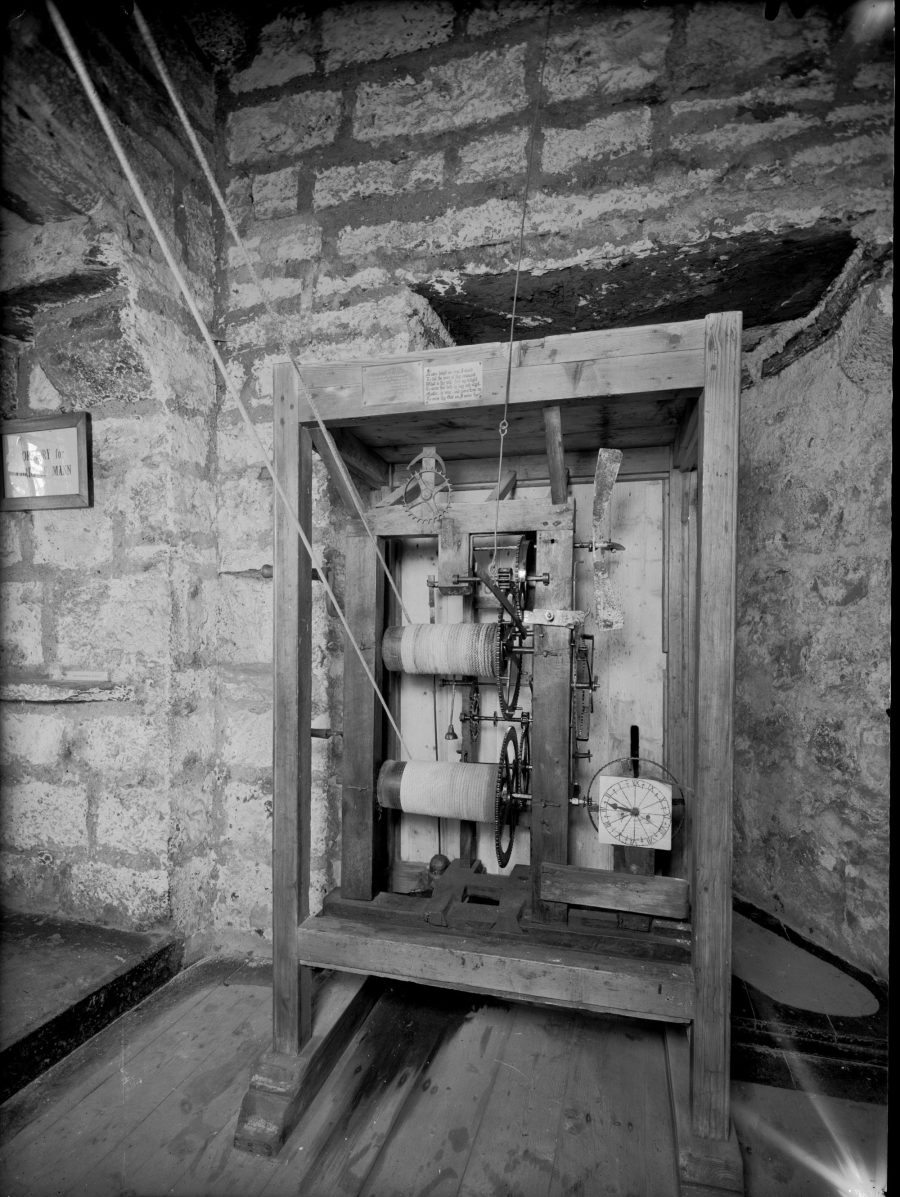
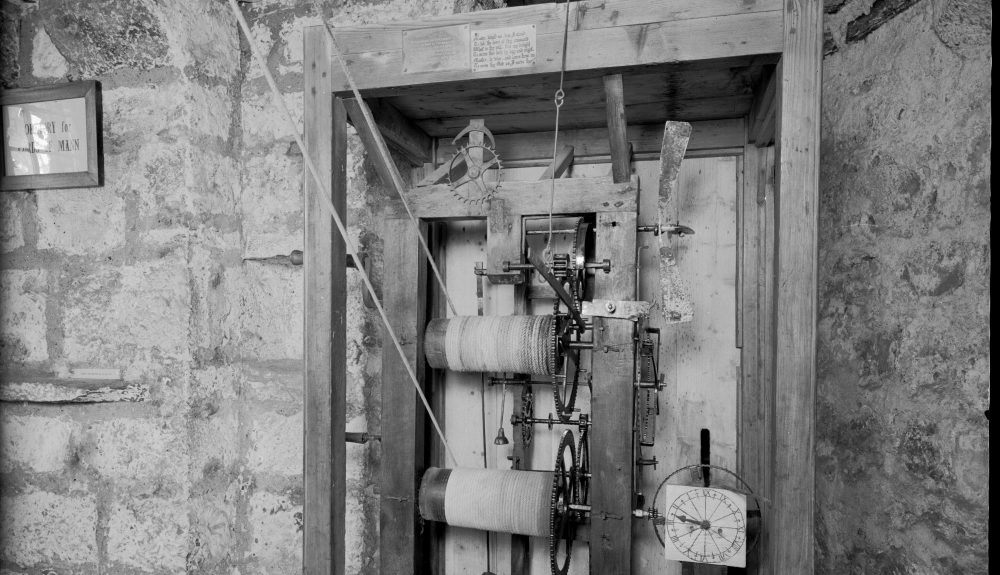
Believed to date from the late 16th century, the wooden-framed turret clock is one of only a handful of its kind to survive. It has been part of Castle Rushen for at least 400 years and remains one of the most significant historic timepieces in the British Isles.
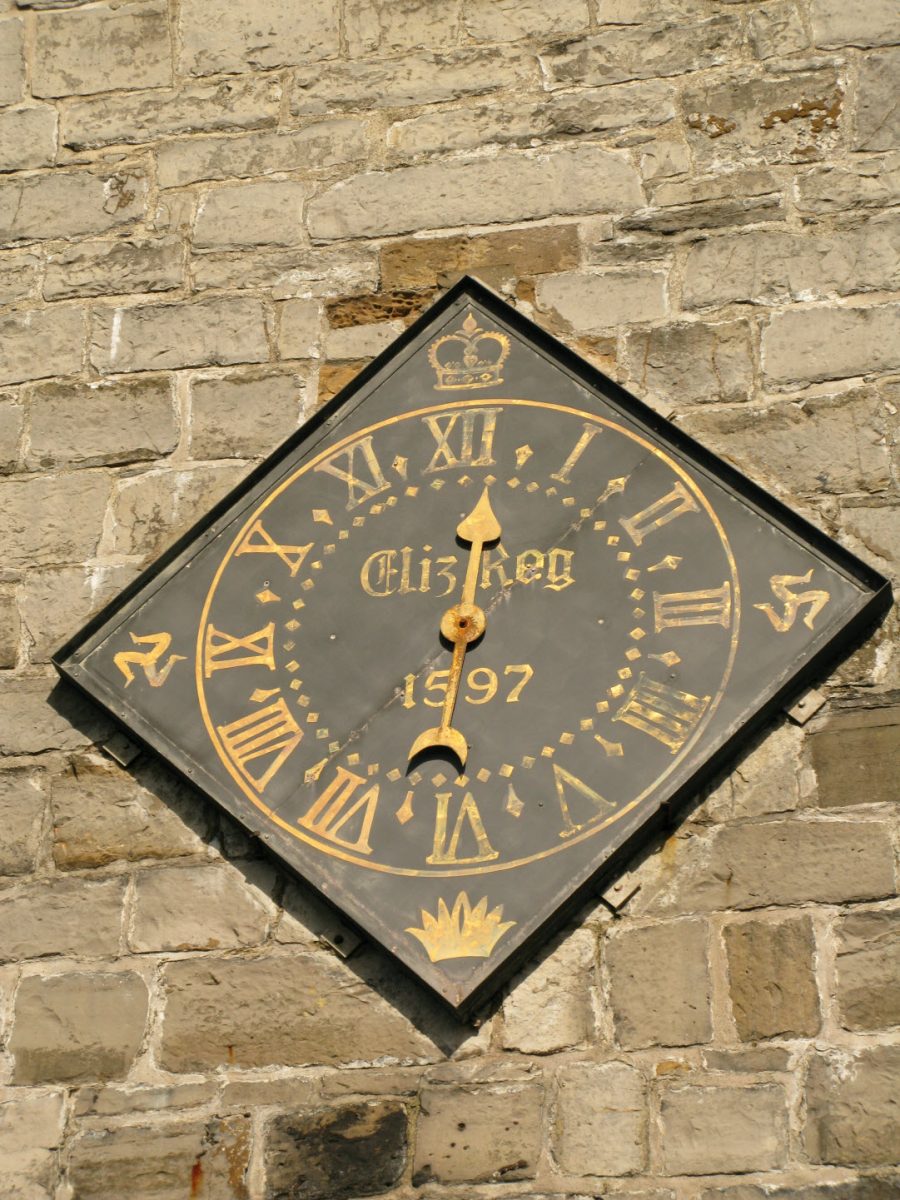
The clock has evolved over the centuries. Its original escapement was replaced with a pendulum mechanism in the early 18th century, while it did not gain a clock face until around 1720, when it was already more than a century old. Although its original dial has been lost, the current single-handed face dates from the 1980s.
The clock is believed to have been gifted to Castle Rushen by Queen Elizabeth I. While no documentary evidence has yet been found to confirm the gift, the clock’s style, design and radiocarbon dating are consistent with this belief. Historical references in the Rolls also confirm that the clock has been at the castle since at least the 17th century.
Detailed study of the clock in 2012 concluded that it survives in an exceptionally original and largely unaltered condition. In recognition of its outstanding local and regional significance, it was formally accessioned into the Manx National Heritage museum collections.
The clock underwent extensive restoration between 2012 and 2014. While the work returned it to operation, some improvements could not be completed because more advanced testing facilities were unavailable. In particular, it proved impossible to achieve reliable operation with the ropes routed across the ceiling of the Clock Room, preventing plans to protect the mechanism behind glazing and allow visitors to view it more closely.
Since then, water ingress into the Clock Room has affected the clock’s reliability and timekeeping. Concerns about visitor safety also led to the bell hammer being disconnected, silencing the clock’s chime. More recently, the partial collapse of the Clock Room ceiling onto the mechanism prompted its removal for safekeeping while repairs to the tower were carried out.
In 2025, Manx National Heritage’s Properties Conservation team completed repairs to the clock tower and wall walks, drying the structure, replacing the ceiling and creating the conditions needed for the clock’s eventual return.
The next phase of the project will see the clock undergo specialist conservation to ensure its long-term future. The work will include precise repairs to worn pivots and bushes, testing the movement on a full-scale rig, restoring the chiming mechanism, redesigning the rope system and preparing the clock for reinstallation in a glazed case that will improve both its protection and public accessibility.
Because of the clock’s exceptional archaeological integrity and rarity, the conservation work requires a highly specialised accredited horologist. The project has been entrusted to the Cumbria Clock Company in Penrith, internationally recognised for the conservation of historic turret clocks, including the restoration of the Great Clock of Westminster, better known as Big Ben, between 2017 and 2019.
Chris Weeks ACR, Conservator for Manx National Heritage said:
“Castle Rushen’s medieval clock is an extraordinarily rare survival and one of the Isle of Man’s most significant historic objects. Although it has faithfully kept time for centuries, its age and complexity mean it now requires highly specialised conservation to ensure it can continue to do so for generations to come.
We are delighted to be working with the Cumbria Clock Company, whose internationally recognised expertise in conserving historic turret clocks makes them uniquely qualified for this project. The work will not only improve the clock’s long-term reliability but will also allow us to display and interpret it in a way that offers visitors a much closer appreciation of its remarkable craftsmanship and history when it returns to Castle Rushen”.
Cumbria Clock Company has visited Castle Rushen and the clock’s current storage location on several occasions to assess the project. Once conservation is complete, the medieval clock will return to Castle Rushen, where it is expected to operate reliably once again while being better protected and more accessible to visitors than ever before.
Manx National Heritage thanks the Friends of Manx National Heritage for funding the project, helping to preserve one of the Island’s most significant Tudor-period treasures for future generations.
Ends